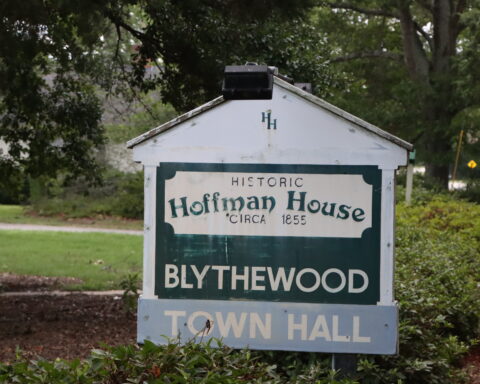
What would you think if a major technology company wanted to build its next data center in Blythewood?
Would you welcome the jobs and investment? Or would you first want answers about your electricity bill, water supply, and what the development could mean for your neighborhood?
Those questions are becoming increasingly important as data centers expand across the Southeast.
On September 28, 2026, the American Infrastructure Alliance (AIA) announced its formation, bringing together technology companies, developers, investors, and labor organizations to advocate for responsible data center development.
South Carolina is among the alliance’s initial focus states.
The organization emerged amid growing concerns about electricity costs, water consumption, environmental impacts, and whether communities receive a fair share of the economic benefits. AIA supports continued development but advocates safeguards for ratepayers, natural resources, and local communities.
For Blythewood, this isn’t an entirely new conversation.
What Makes a Town Attractive to Data Centers?
Data centers house the computers behind banking, streaming, cloud services, and artificial intelligence.
Unlike a shopping center, they don’t need thousands of customers living nearby. They need the right infrastructure.
Developers look for dependable electricity, high-speed internet connections, suitable land, and sometimes substantial water supplies for cooling. Relatively flat industrial land, access to workers, and locations away from major flood risks can also make a community attractive.
That’s why smaller towns near growing metropolitan areas can catch the industry’s attention.
RELATED COVERAGE: American Infrastructure Alliance Enters South Carolina’s Growing Data Center Debate
When Google Considered Blythewood
In 2007, Google purchased approximately 466 acres near Interstate 77 while considering Blythewood for a major data center.
The area’s location, available land, and infrastructure attracted interest, but the proposed project never materialized.
Still, Google’s interest demonstrated that Blythewood possessed characteristics appealing to major technology companies.
And there’s something many residents may not realize.
Blythewood already has a data center.
The Data Center Already in Blythewood
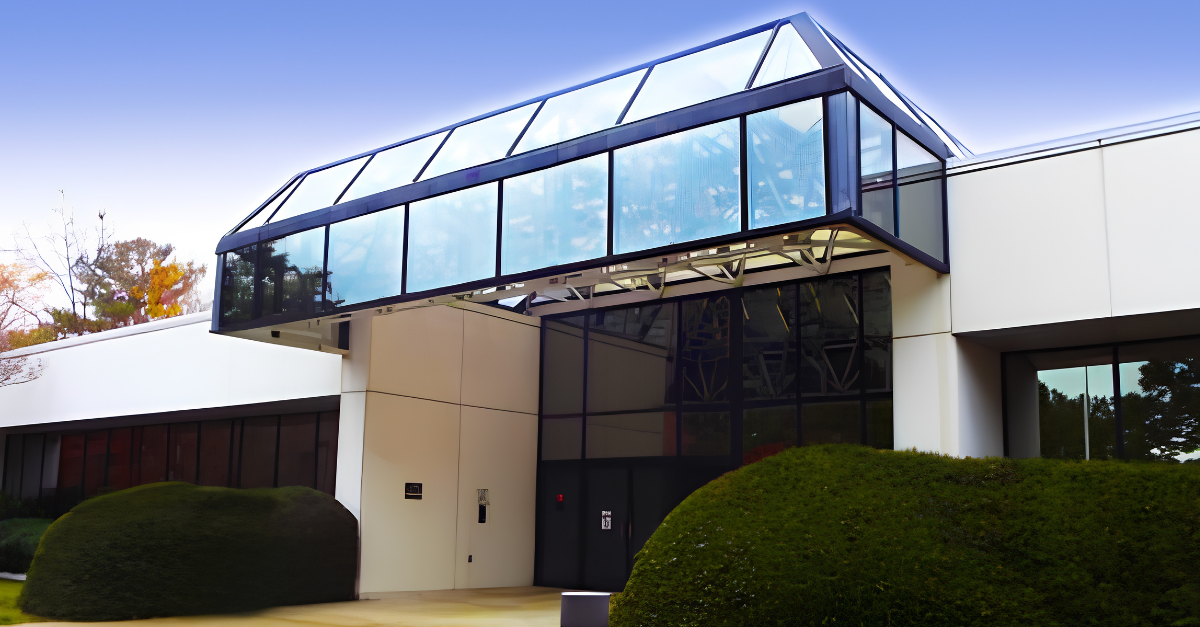
Located at 10309 Wilson Boulevard, a roughly 65,000-square-foot data center property is associated with technology services company Atos.
Think of it as a secure home for computer systems that help businesses and organizations operate.
But not all data centers serve the same purpose.
Enterprise data centers support a company’s technology operations. Colocation facilities provide secure space and infrastructure for customers’ computer equipment. Managed-services providers help organizations operate those systems.
Then there are hyperscale data centers, enormous facilities supporting cloud computing and sometimes artificial intelligence. AI-focused facilities may use particularly powerful equipment.
Blythewood’s existing facility is associated with enterprise-oriented managed services and colocation, rather than a newly developed hyperscale AI campus.
The distinction matters because different facilities can place very different demands on electricity, water, and land.
A Conversation Before a Controversy
A new data center could create construction jobs, generate tax revenue, provide contracts for local businesses, and potentially bring permanent employment and new investment.
But those opportunities may come with costs. Large facilities can require expensive electrical upgrades, place additional demands on water supplies, change land use, and raise concerns about noise, environmental resources, and nearby neighborhoods.
Who pays for those demands? Who receives the benefits? And what protections should communities expect?
There is currently no publicly announced proposal for a new data center in Blythewood. That makes this the perfect time for residents to begin educating themselves and discussing what responsible development should look like.
By late September, at least 13 South Carolina counties had adopted temporary moratoriums on data center development, giving local governments time to evaluate concerns and consider new regulations.
But a pause is not a plan. Moratoriums may provide time, but they do not, by themselves, give residents the information needed to understand electricity costs, water demands, environmental safeguards, or potential community benefits.
Blythewood doesn’t need to wait for a development proposal—or a controversy—to begin asking those questions.
The goal isn’t to decide today whether another data center should be welcomed or rejected. It’s to make sure that when the conversation comes, the people of Blythewood have the knowledge, the perspective, and the voice to help shape what happens next.
INFO24 Southeast Data Center Desk — As data centers reshape the Southeast’s economy and communities, we’re examining the promises, investigating the claims, and reporting the real-world impact. Have a news tip, inside information, or firsthand experience? Contact our newsroom at datacenterdesk@info24media.com.